

Sale!
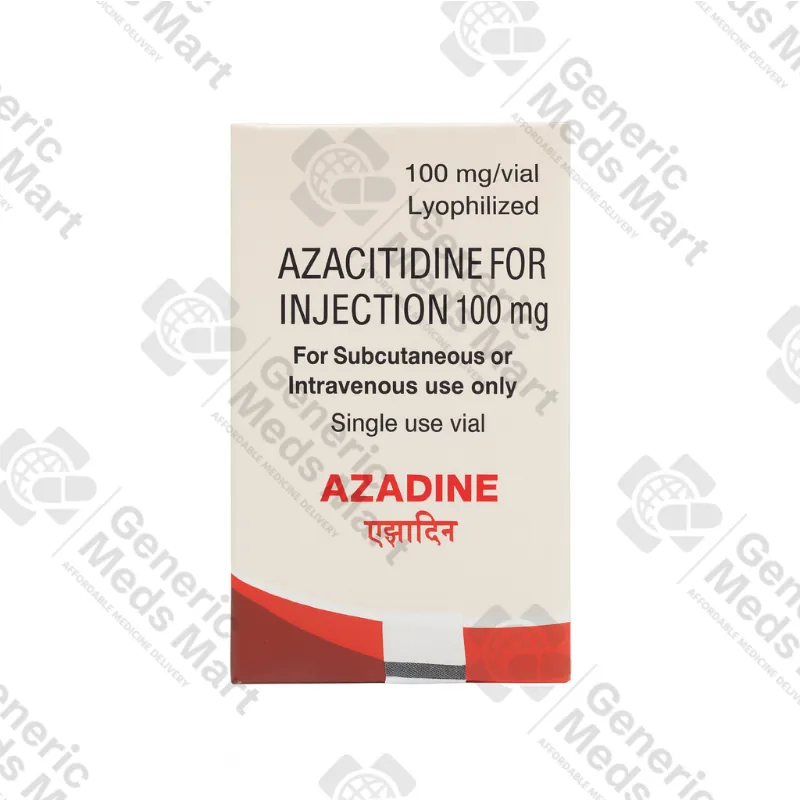
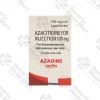
Azadine 100 mg 1 vial (Azacitidine) Injection
Original price was: $146.00.$115.00Current price is: $115.00.
1 vials in pack → $ 115.00 / vial
Azadine 100 mg azacitidine injection (1 vial) is a hypomethylating antineoplastic agent used under specialist supervision for myelodysplastic syndromes (MDS) and selected acute myeloid leukemia (AML) cases, given as repeated SC or IV cycles after reconstitution. Generic Meds Mart supplies Azadine 100 mg in original manufacturer packaging from licensed distributors with discreet, trackable international shipping where regulations allow.
Buy Azadine 100 mg Azacitidine Injection Online
Azadine 100 mg Azacitidine Injection (1 vial)
At a Glance
Generic Name: Azacitidine
Brand Name: Azadine 100 mg
Strength & Pack Size: 100 mg azacitidine, 1 vial of lyophilised powder for injection
Dosage Form & Route: Powder for suspension or solution, for subcutaneous (SC) or intravenous (IV) administration after reconstitution
Therapeutic Class: Hypomethylating antineoplastic agent
Primary Indications: Myelodysplastic syndromes (MDS) and selected acute myeloid leukemia (AML) cases, as per local label
Typical Patient Setting: Adults treated in specialist haematology–oncology centres with access to intensive monitoring
Mode of Action: Inhibits DNA methyltransferase, leading to hypomethylation and direct cytotoxic effects on abnormal marrow cells
Key Benefits: Proven improvement in blood counts and survival in higher-risk MDS and certain AML populations when used appropriately
Precautions: Requires close monitoring of blood counts, organ function and injection site reactions; hospital infrastructure recommended
Storage: Store in the original carton at the temperature stated in the leaflet; protect from light and follow reconstitution stability guidance
Product Description
Azadine 100 mg azacitidine injection is a hypomethylating agent used in the treatment of myelodysplastic syndromes (MDS) and in selected acute myeloid leukemia (AML) settings according to local prescribing information and specialist guidelines. Azacitidine targets abnormal bone marrow cells by interfering with DNA methylation and exerting direct cytotoxic effects, helping to restore more normal blood cell production over time.
Each vial of Azadine 100 mg contains 100 mg of azacitidine as a sterile lyophilised powder that must be reconstituted with an appropriate diluent before administration. Depending on local protocols, the reconstituted suspension or solution is given either subcutaneously or intravenously in repeated treatment cycles. Because of the risks of myelosuppression, infection and other serious side effects, Azadine 100 mg injection is used under the supervision of experienced haematologists and oncologists in facilities that can provide supportive care and regular monitoring.
When you buy Azadine 100 mg online from Generic Meds Mart, you receive original manufacturer vials in sealed cartons with clearly visible batch numbers and expiry dates. Products are sourced only from licensed distributors experienced in oncology and haematology supply chains. Outer shipping boxes are neutral, without visible references to MDS, AML or chemotherapy, to protect patient privacy, while maintaining complete traceability for pharmacies and clinics. Our mission is to support access and logistics; all treatment decisions remain with your specialist team.
Key Uses
Azadine 100 mg azacitidine injection is used in adults for myelodysplastic syndromes (MDS) and certain acute myeloid leukemia (AML) presentations, as defined in regional labels and guidelines. Typical indications include:
- Myelodysplastic syndromes (MDS), including subtypes with excess blasts, where disease-modifying hypomethylating therapy is indicated.
- Selected cases of AML, particularly those evolving from MDS or with lower blast percentages, where azacitidine-based regimens are supported by local protocols.
The choice to use Azadine 100 mg is individualized and considers patient age, performance status, cytogenetic and molecular risk, comorbidities and eligibility for alternative options such as intensive chemotherapy or stem cell transplantation. Azacitidine injection is often chosen for higher-risk MDS or for patients in whom traditional intensive regimens would be inappropriate or poorly tolerated.
How Azacitidine Works in Chemotherapy
Azacitidine, the active ingredient in Azadine 100 mg, is a cytidine analogue that exerts its antineoplastic effects through dual mechanisms. At lower concentrations, azacitidine incorporates into RNA and DNA and inhibits DNA methyltransferase, leading to hypomethylation of DNA. This hypomethylation can reactivate silenced tumour suppressor genes and modify abnormal gene expression patterns in dysplastic bone marrow cells.
At higher concentrations, azacitidine has direct cytotoxic effects on rapidly dividing cells, leading to cell death. In the context of myelodysplastic syndromes and certain AML subtypes, these mechanisms help reduce the burden of abnormal progenitor cells and support recovery of more normal haematopoiesis over repeated treatment cycles. Response to azacitidine therapy builds gradually, so clinicians often continue treatment for multiple cycles before judging benefit, provided tolerance and safety profiles remain acceptable.
Dosage & Administration
The dosing of Azadine 100 mg azacitidine injection is defined by body surface area and local prescribing information. A commonly used regimen in MDS involves administration of azacitidine for a set number of days in a 28-day cycle, given either subcutaneously or intravenously. Regimens, exact dose in mg/m², route and number of treatment cycles may vary based on label, institutional practice and individual patient factors.
Azadine vials must be reconstituted with the recommended diluent, using aseptic technique, and the resulting suspension or solution is administered within defined stability periods. Administration is performed only by trained healthcare professionals. Blood counts, kidney and liver function, as well as clinical status, are closely monitored before and during each cycle. Dose delays, reductions or interruptions may be necessary in response to myelosuppression, infections or other toxicities. Patients should never attempt to reconstitute or administer azacitidine themselves.
Precautions
Before starting Azadine 100 mg, your haematology team will review your full medical history, including prior treatments, performance status, infection risk, kidney and liver function and concurrent medications. Baseline blood counts and biochemistry help guide eligibility and dosing. Because azacitidine can cause profound myelosuppression, the risk of infections and bleeding must be considered, and prophylactic or early-intervention strategies may be used where appropriate.
Patients may be counselled about the potential need for blood or platelet transfusions, antimicrobial prophylaxis, hospital admission during infections and frequent laboratory monitoring. Azacitidine injection is not suitable for all patients; those with severe organ dysfunction or uncontrolled infections may require stabilisation before treatment or alternative approaches. Women and men of childbearing potential are usually advised to use effective contraception during treatment and for a period afterwards, as azacitidine can harm a developing baby. Breastfeeding is generally not recommended during therapy.
Azacitidine Side Effects
Common side effects
Common azacitidine side effects during Azadine 100 mg therapy include nausea, vomiting, diarrhoea or constipation, loss of appetite, fatigue, weakness, injection site reactions (for subcutaneous administration), mild rash, headache and low-grade fever. Haematologic side effects are very frequent and may involve reduced white cells, red cells and platelets, leading to higher risk of infections, anaemia and bruising or bleeding.
Many of these reactions can be managed with supportive medicines such as antiemetics, analgesics, topical measures for injection sites, growth factors in selected cases, transfusions and dose adjustments or cycle delays. Patients are encouraged to report any new or worsening symptoms promptly so that the medical team can intervene early and adjust treatment if needed.
Serious side effects
Serious azacitidine adverse effects require urgent medical attention and may include severe neutropenia with life-threatening infections, sepsis, severe thrombocytopenia with major bleeding, serious allergic reactions, pronounced liver or kidney injury, severe gastrointestinal events and rare but significant cardiac complications.
Warning signs to watch for include high or persistent fever, chills, severe sore throat, shortness of breath, chest pain, confusion, uncontrolled bleeding or bruising, black stools, vomiting blood, severe abdominal pain, markedly reduced urine output, yellowing of the skin or eyes or sudden swelling. If any of these occur during treatment with Azadine 100 mg azacitidine injection, emergency medical help should be sought immediately and healthcare professionals informed that you are receiving a hypomethylating agent.
Storage
Azadine 100 mg vials should be stored in their original cartons at the temperature specified in the product leaflet, protected from light and kept out of reach of children. They should not be frozen. After reconstitution, the azacitidine suspension or solution has a limited stability window and specific storage conditions, which must be followed closely by the pharmacy and infusion or day-care unit. Unused reconstituted product and materials used for preparation and administration must be disposed of as cytotoxic waste according to local regulations.
Why Buy from Generic Meds Mart
Generic Meds Mart is focused on improving access to essential haematology–oncology therapies such as Azadine 100 mg azacitidine injection, particularly in regions where availability and pricing can be barriers. We collaborate only with licensed manufacturers and authorised distributors who follow recognised quality and safety standards and provide full batch traceability. By supplying Azadine 100 mg in sealed original packaging, we support hospital pharmacies and clinics in verifying product authenticity and integrity.
Orders are processed in USD using secure online payment systems. Shipments are prepared in neutral outer packaging without visible oncology references, with the option for tracked delivery where available. This helps centres plan treatment cycles and ensure that azacitidine vials arrive in time for scheduled therapy. Our role is purely logistical; decisions about whether azacitidine is suitable, how many cycles to give and how to manage side effects are entirely the responsibility of the treating haematology–oncology team.
Order Now
Before arranging to buy Azadine 100 mg azacitidine injection online from Generic Meds Mart, you should have a confirmed diagnosis of myelodysplastic syndrome or AML where azacitidine is recommended, and a clear treatment plan from your specialist detailing dose, route, schedule and monitoring requirements. Your team will explain how azacitidine therapy fits into your overall care, expected benefits, potential risks and the importance of regular follow-up.
Once this plan is in place, your clinic or you, in agreement with your doctors, can determine how many Azadine 100 mg vials are needed per cycle and for the planned number of cycles. After you select the required quantity, you can complete secure checkout in USD. You should never start, stop or modify azacitidine treatment on your own; any changes must be guided by your haematology–oncology team. Generic Meds Mart exists to provide a discreet, reliable supply channel for Azadine 100 mg azacitidine injection, while all complex clinical decisions remain with your specialists.
FAQ about Azadine (Azacitidine)
Q1: What conditions is Azadine 100 mg used to treat?
Azadine 100 mg contains azacitidine, a hypomethylating agent used for myelodysplastic syndromes (MDS) and selected acute myeloid leukemia (AML) cases in adults, according to local prescribing information and specialist guidelines.
Q2: Is Azadine 100 mg an infusion or an injection under the skin?
Azadine 100 mg azacitidine can be given as a subcutaneous injection or as an intravenous infusion, depending on local protocols and patient factors. The powder in the vial is reconstituted by healthcare professionals, who then administer it using the route and schedule defined in your treatment plan.
Q3: How many treatment cycles of azacitidine will I need?
The number of azacitidine cycles varies between patients. Many people require multiple cycles, often at least six, before a full assessment of response is made, provided side effects remain manageable. Your haematology team will explain how many cycles they recommend and how they will evaluate benefit over time.
Q4: Will I need to stay in hospital for Azadine treatment?
Some patients receive Azadine 100 mg as day-care treatment, while others may need hospital admission, especially early in therapy or if complications arise. Decisions about inpatient versus outpatient management depend on your overall health, blood counts, infection risk and local practice.
Q5: Can Azadine 100 mg cure my disease?
In some patients, azacitidine can lead to durable remissions and significantly improved survival, but not everyone achieves a complete cure with hypomethylating therapy alone. For some individuals, Azadine 100 mg may serve as a bridge to other treatments such as stem cell transplantation. Your haematologist is best placed to discuss realistic goals of therapy in your specific situation.
Q6: Is Azadine 100 mg the same as Vidaza (Generic Vidaza)?
Azadine 100 mg is Generic Vidaza — it contains the same active ingredient (azacitidine) as Vidaza. It’s used for the same purpose at the same strength, while differences may be in manufacturer, inactive ingredients (excipients), vial appearance, and packaging. If you’re switching between products, confirm the substitution with a qualified healthcare professional.
Be the first to review “Azadine 100 mg 1 vial (Azacitidine) Injection”
You must be logged in to post a review.
Related products
Sale!
Anticancer
Original price was: $52.00.$49.00Current price is: $49.00.
Sale!
Original price was: $175.00.$165.00Current price is: $165.00.
Reviews
There are no reviews yet.