

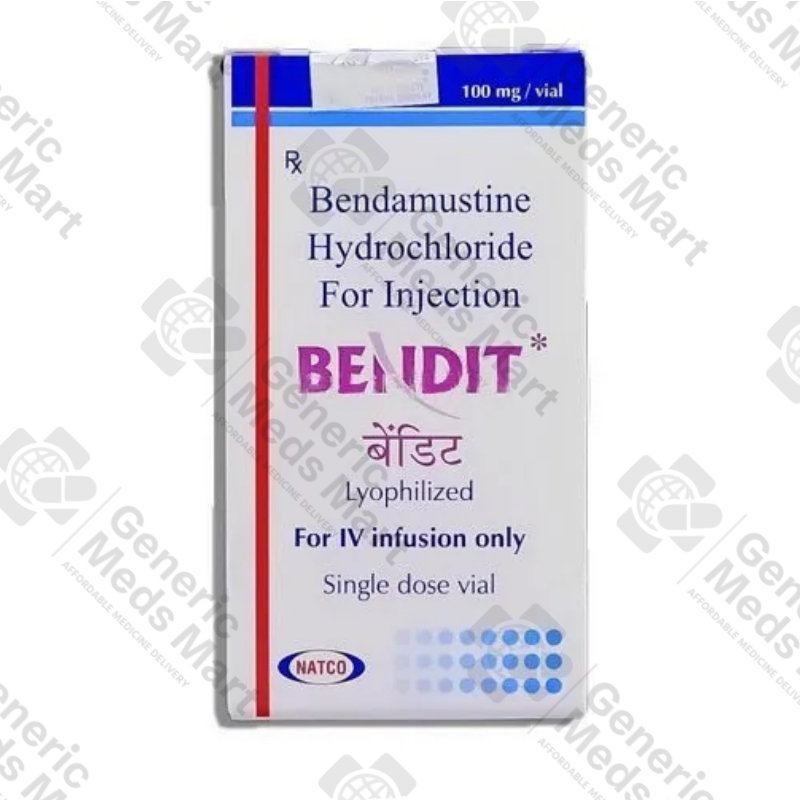
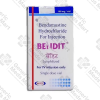
Bendit 100 mg 1 vial (Bendamustine Hydrochloride Injection)
$99.00
1 vials in pack → $ 99.00 / vial
Bendit 100 mg bendamustine injection (1 vial) is a hospital-only alkylating chemotherapy medicine used under specialist haematology–oncology supervision for chronic lymphocytic leukemia and indolent non-Hodgkin lymphoma. Generic Meds Mart supplies Bendit 100 mg in original cytotoxic cartons from licensed manufacturers with affordable pricing, secure checkout and discreet delivery where regulations allow.
Buy Bendit 100 mg Bendamustine Injection Online
Bendit Bendamustine – 100 mg Injection (1 vial)
At a Glance
Generic Name: Bendamustine Hydrochloride
Brand Name: Bendit
Strength & Pack: 100 mg per vial, 1 vial
Dosage Form & Route: Lyophilised powder for IV infusion after reconstitution
Therapeutic Class: Alkylating antineoplastic (nitrogen mustard derivative)
Primary Indications: Chronic lymphocytic leukemia (CLL) and indolent non-Hodgkin lymphoma (NHL) where bendamustine-based regimens are appropriate
Typical Use in Therapy: Given in cycles under specialist haematology–oncology supervision, often combined or sequenced with other systemic agents
Mode of Action: DNA cross-linking alkylating agent with purine-like structure leading to apoptosis of malignant lymphocytes
Key Benefits: Established option in CLL and indolent NHL protocols with proven efficacy in guideline-based regimens
Precautions: Myelosuppression, infection risk, infusion reactions, organ toxicity and potential long-term secondary malignancy risk
Storage: Store in original cytotoxic packaging as per local product information; hospital pharmacy manages reconstitution and disposal
Product Description
Bendit 100 mg contains bendamustine hydrochloride, an alkylating antineoplastic agent used in the treatment of chronic lymphocytic leukemia (CLL) and certain types of indolent non-Hodgkin lymphoma (NHL) when standard regimens are indicated. This presentation provides a single vial containing 100 mg of bendamustine as a lyophilised powder that must be reconstituted and further diluted before intravenous infusion. Bendit is designed exclusively for use in hospital or specialist infusion-centre settings under the care of experienced haematology–oncology teams.
In modern protocols, bendamustine is often considered when patients require an alkylating backbone that combines DNA cross-linking activity with structural features distinct from older nitrogen mustards. It may be used in first-line regimens for selected CLL or indolent NHL patients, as well as in later lines of therapy depending on regional guidelines and prior treatment history. Bendit 100 mg bendamustine injection is not a tablet or self-administered medicine; it is a cytotoxic hospital-only infusion requiring careful handling, dosing and monitoring.
Generic Meds Mart offers Bendit 100 mg bendamustine injection in original manufacturer cartons with clear cytotoxic labelling. Each vial is supplied with visible strength, batch number and expiry date so hospital pharmacies and infusion centres can verify product identity and maintain accurate treatment records. Outer shipping parcels are neutral and do not mention cancer, lymphoma or chemotherapy on the outside, supporting patient privacy. Our role is limited to structured access and logistics; all clinical decisions about whether to use bendamustine, how to combine it with other drugs and how long to continue therapy rest with your treating specialists.
Key Uses
Within locally approved indications and specialist protocols, Bendit 100 mg bendamustine injection is generally used for adults with chronic lymphocytic leukemia (CLL) when bendamustine-based regimens are appropriate. It may be selected for patients who are not suitable for more intensive strategies or in situations where established evidence supports bendamustine as part of first-line or subsequent-line treatment.
Bendit is also used for indolent non-Hodgkin lymphoma, particularly in settings where disease has not responded adequately to previous rituximab-containing regimens or where bendamustine–antibody combinations are recommended by guidelines. The exact indication, line of therapy and treatment goal are defined by the haematology–oncology team based on disease characteristics, comorbidities and prior therapies. Off-label use in other lymphoid malignancies or conditioning schedules, where practiced, must be guided by up-to-date evidence and local regulations.
How Bendamustine Works in Chemotherapy
Bendamustine, the active ingredient in Bendit 100 mg injection, is an alkylating agent with a unique structure that combines a bifunctional nitrogen mustard group and a benzimidazole ring with purine-like features. After administration, bendamustine forms reactive intermediates that create cross-links within and between DNA strands in dividing cells. These DNA cross-links interfere with replication and transcription, leading to irreparable DNA damage and activation of apoptosis pathways in malignant lymphocytes.
Unlike some classic alkylating agents, bendamustine has been shown in experimental models to trigger multiple mechanisms of cell death and may retain activity in certain settings where cross-resistance to other drugs has emerged. Its S-phase–non-specific profile means that it can damage cells in several phases of the cell cycle, although dividing cells are especially vulnerable. This combination of mechanisms underpins its role in chronic lymphocytic leukemia and indolent non-Hodgkin lymphoma regimens.
Dosage & Administration
All aspects of dosing and administration for Bendit 100 mg bendamustine injection must be determined by experienced haematologists or oncologists following the official product information and current clinical guidelines. The dose is usually calculated according to body surface area, overall treatment plan, organ function, concomitant medicines and prior therapies. Schedules typically involve cyclic administration, with bendamustine given on specific days of each cycle alongside premedication and supportive care as needed.
Before infusion, the lyophilised powder in each Bendit vial is reconstituted with a suitable diluent and then further diluted in an appropriate infusion solution by trained pharmacy or nursing staff. Infusions are performed in settings where patients can be monitored for infusion reactions, blood pressure changes and other acute side effects. Bendit must never be injected undiluted or given by rapid intravenous push, and it is not suitable for self-administration at home. If a planned infusion is missed or delayed, only the treating team can decide how to adjust the schedule.
Precautions
Bendamustine is a potent myelosuppressive agent, and Bendit 100 mg injection can cause significant reductions in white blood cells, red blood cells and platelets. Regular full blood counts are required before and during treatment, and therapy may need to be delayed or adjusted in the event of severe cytopenias. Patients and caregivers should watch for fever, chills, sore throat, unusual bruising, bleeding, extreme fatigue or shortness of breath, and seek immediate medical attention if these occur.
Bendit can also cause infusion-related reactions, including rash, pruritus, flushing, fever or shortness of breath, particularly during early cycles. Liver and kidney function may be affected, and dose modification or additional monitoring may be needed in patients with underlying hepatic or renal impairment. Nausea, vomiting and gastrointestinal upset are common and are usually managed with modern antiemetic regimens and supportive care. Bendamustine is teratogenic and potentially mutagenic; effective contraception is recommended during treatment and for a period afterwards for both patients and partners. It may impair fertility, and patients who are concerned about fertility preservation should discuss options with their care team before starting therapy.
Bendamustine Side Effects
Common side effects
Common bendamustine side effects with Bendit 100 mg injection include neutropenia, thrombocytopenia and anaemia, which can manifest as increased infections, easy bruising, bleeding and tiredness. Many patients experience nausea, vomiting, loss of appetite, diarrhoea or constipation, mild rash or itching, headache and general weakness or malaise. Transient elevations in liver enzymes and mild electrolyte disturbances can appear on blood tests and may not always cause noticeable symptoms.
These common bendamustine side effects are typically managed through protocol-defined supportive care: antiemetics, growth-factor support where appropriate, transfusions, infection prophylaxis or treatment and dose adjustments where needed. Patients should not attempt to continue bendamustine despite significant symptoms without speaking to their treating team, as early intervention can often prevent more serious complications.
Serious side effects
Serious bendamustine adverse effects require urgent specialist attention and may necessitate treatment interruption or discontinuation. These can include severe or prolonged bone marrow suppression with sepsis, severe infections or life-threatening bleeding, severe infusion reactions with chest pain, marked shortness of breath or hypotension, signs of significant liver injury such as jaundice and dark urine, new or worsening kidney problems, and severe skin reactions with blistering, peeling or painful widespread rash.
Over the long term, exposure to bendamustine and other alkylating agents is associated with a risk of secondary malignancies, including therapy-related myelodysplastic syndromes or acute leukaemia, particularly after prolonged or repeated courses. Any new, unexplained changes in blood counts or bone marrow findings after treatment should be carefully evaluated. If patients notice alarming symptoms such as high fever, confusion, difficulty breathing, chest pain, severe rash or uncontrolled bleeding while on Bendit, they must seek emergency medical care and inform clinicians that they are receiving bendamustine.
Storage
Bendit 100 mg bendamustine injection should be stored in its original cytotoxic carton at the temperature specified in the local product information, protected from light and moisture. Hospital or clinic pharmacies are usually responsible for storage, reconstitution, dilution and disposal according to cytotoxic handling regulations. Vials should not be used after the expiry date on the packaging, and any unused product or materials that come into contact with bendamustine must be disposed of as hazardous pharmaceutical waste rather than in normal rubbish. Patients are rarely required to store Bendit at home; if they are asked to transport vials to a treatment centre, they should follow written instructions from the clinic carefully.
Why Buy from Generic Meds Mart
Generic Meds Mart is focused on structured access to essential haematology–oncology medicines such as Bendit 100 mg bendamustine injection. We source only from licensed manufacturers and authorised distributors and supply Bendit in original, sealed cytotoxic cartons with strength, batch and expiry details clearly visible. This enables hospital pharmacies and infusion centres to verify product identity as part of their internal safety and documentation procedures.
Prices for Bendit 100 mg are displayed in USD to help patients and clinicians plan treatment budgets for multiple cycles. Orders are shipped in neutral outer packaging with no reference to cancer or chemotherapy, and trackable shipping options are available where regulations allow. Our service is limited to logistics and access; we do not provide personalised medical advice or alter your treatment plan. All decisions about whether to use bendamustine, what dose to use and how long to continue therapy remain entirely with your specialist team.
Order Now
Bendit 100 mg bendamustine injection is a potent chemotherapy medicine that must only be used within carefully controlled haematology–oncology protocols. Before you or your clinic buy Bendit 100 mg online from Generic Meds Mart, your diagnosis, prior therapies, comorbidities and treatment goals should be fully reviewed with your specialist, and a clear bendamustine-based regimen and monitoring plan should be agreed.
Once your care team has defined the protocol, they can calculate how many Bendit 100 mg vials are required for the planned cycles, taking into account possible dose adjustments or treatment delays. The appropriate quantity can then be selected on Generic Meds Mart, added to the cart and checked out securely in USD. Medicines will be dispatched in discreet packaging with tracking where available, but all subsequent questions about bendamustine dosage, bendamustine side effects or regimen changes must be directed to your treating haematology–oncology team rather than managed independently.
FAQ about Bendit (Bendamustine)
Q1: What is Bendit 100 mg used for?
Bendit 100 mg contains bendamustine hydrochloride, an alkylating chemotherapy agent used mainly in adults with chronic lymphocytic leukemia (CLL) and certain indolent non-Hodgkin lymphomas when bendamustine-based regimens are appropriate according to local guidelines and your specialist’s judgement.
Q2: Is Bendit given as a tablet or an infusion?
Bendit 100 mg is not a tablet; it is a lyophilised powder that must be reconstituted and diluted for intravenous infusion by trained staff in a hospital or infusion centre. It is never given by mouth and is not suitable for self-administration at home.
Q3: How often will I receive Bendit infusions?
The frequency and number of Bendit 100 mg bendamustine infusions depend on your disease type, prior treatments and the specific protocol chosen by your haematology–oncology team. Treatment is usually given in cycles, with rest periods between them, and only your specialist can define the exact schedule and number of cycles.
Q4: What monitoring is needed during Bendit treatment?
Patients receiving bendamustine typically require regular full blood counts, kidney and liver function tests and clinical assessments for signs of infection, bleeding, infusion reactions or organ toxicity. Your team will explain which tests are needed, how often they must be done and what symptoms should prompt urgent contact with the clinic.
Q5: Can I drive or work normally while on Bendit?
Many people continue some normal activities during bendamustine treatment, but fatigue, infections or other side effects can limit daily tasks, and responses vary widely. You should follow your specialist’s advice about driving, work and travel, and plan flexibility into your schedule around infusion days and blood-test appointments. Always prioritise safety if you feel unwell, dizzy or unusually tired.
Be the first to review “Bendit 100 mg 1 vial (Bendamustine Hydrochloride Injection)”
Related products
Sale!
Anticancer
Original price was: $52.00.$49.00Current price is: $49.00.
Sale!
Original price was: $56.00.$52.00Current price is: $52.00.
Sale!
Original price was: $146.00.$115.00Current price is: $115.00.
Reviews
There are no reviews yet.